the WOW concert:
creating a supportive environment for autistic children and their families to experience live orchestral music
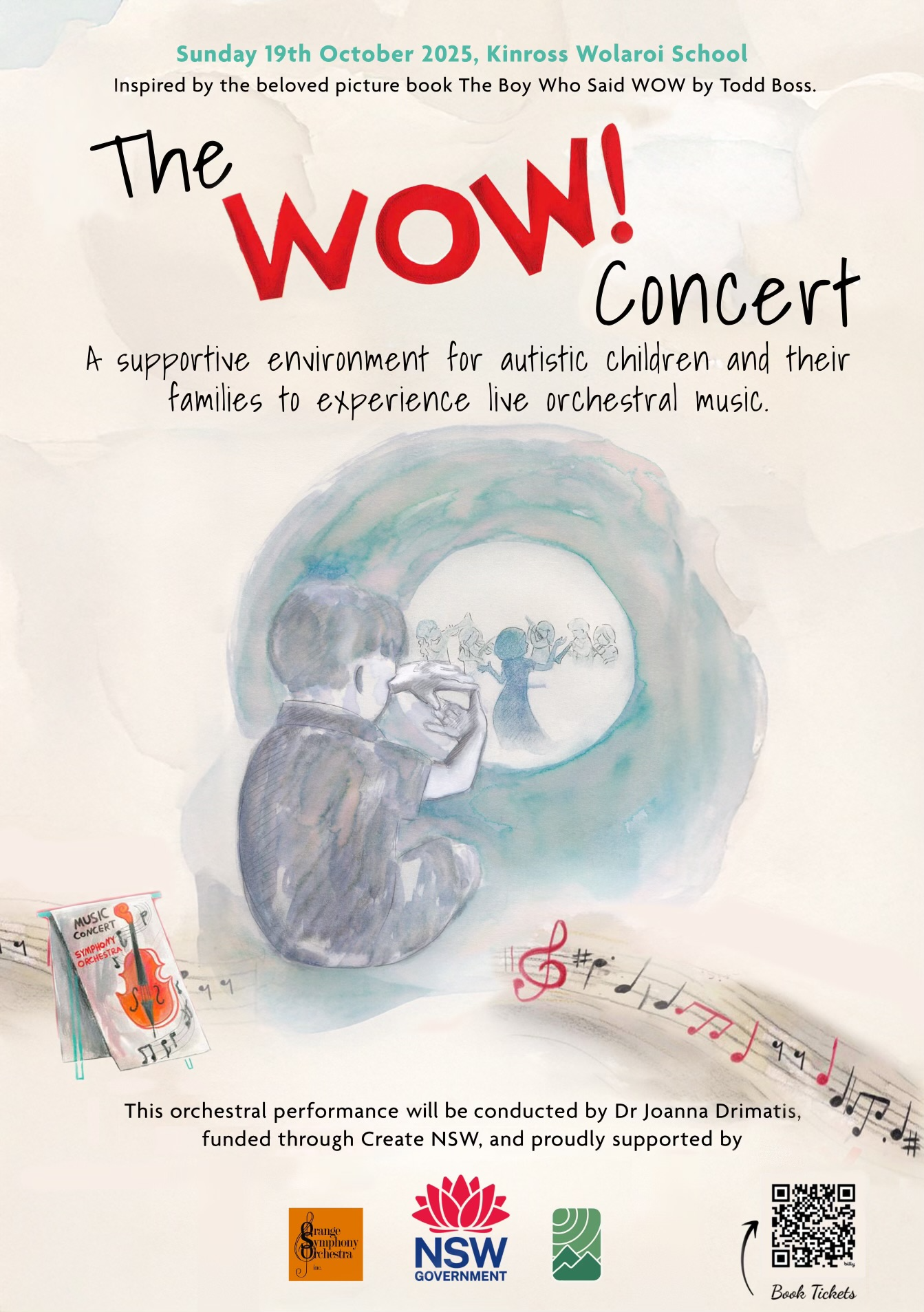
Special thanks to Lisa Stewart for the original artwork ‘Blue Boy’ for the poster
why WOW?
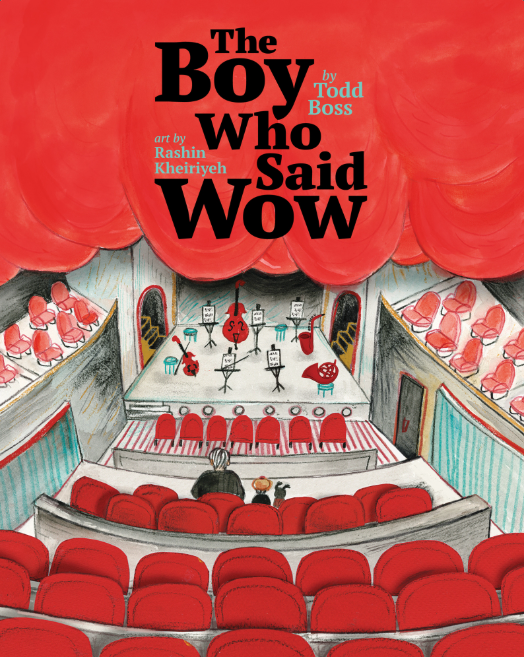
The Boy Who Said ‘WOW’
by Todd Boss
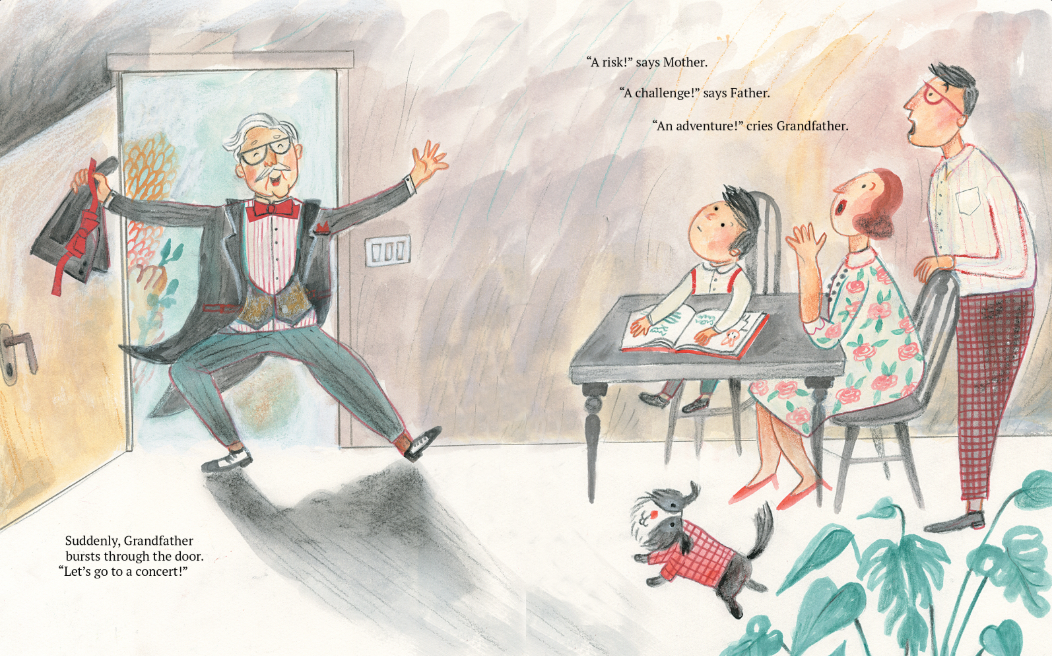
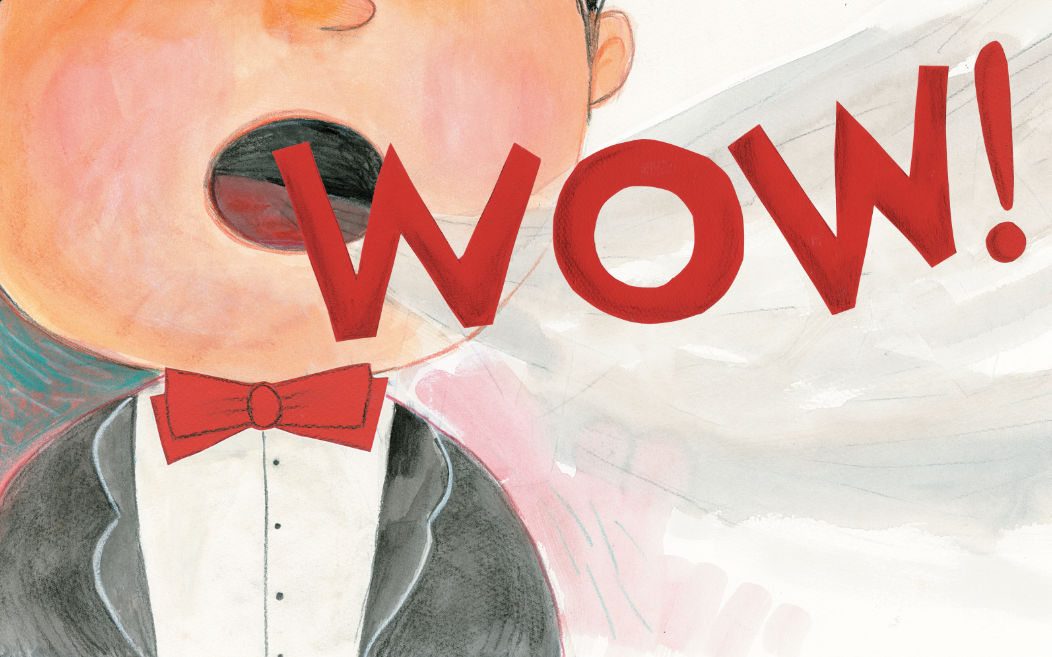
The incredible true story of Ronan and his grandfather, illustrates the desire of his family to offer their non-verbal child experiences whilst being hesitant, such as mum saying, ‘a risk’, and dad ‘a challenge’ when grandfather suggests going to a concert. The outcome is, though, one of wonder..
the Concert Programme
Nat Bartsch
Hope for Orchestra
Sally Greenaway
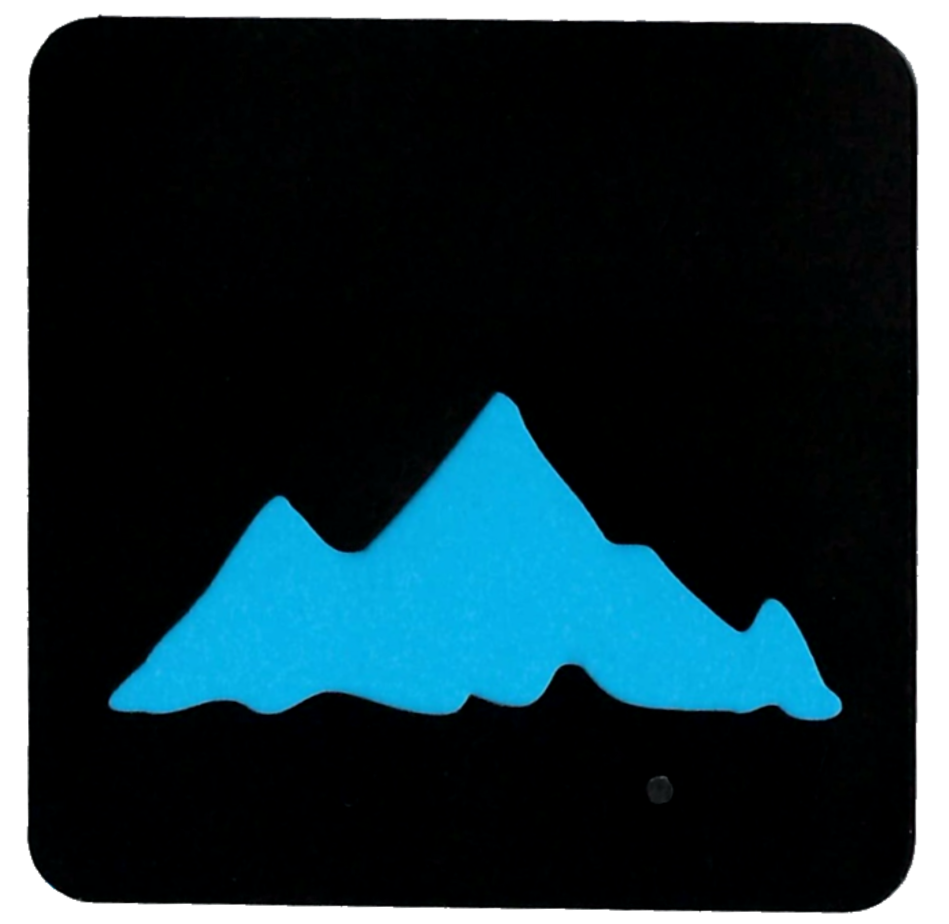
The Blue Mountains
Matthew Hindson
The Stars Above Us All
first light,
touching the farthest reaches of the mountains.
slowly, the valleys unfold their beauty,
drenched in the warmth of the sun.
a sight to behold...
The Blue Mountains was penned by composer Sally Greenaway whilst she was living abroad and feeling homesick. It is a miniature ‘landscape painting’ for orchestra, inspired by the beauty of the Blue Mountains in New South Wales, Australia. The piece’s opening moments - of lush strings delicately pierced with the harp - portrays the first light touching the tips of this ancient, rugged mountain range. Then, like a gently billowing mist, the music swells into a soaring melody, where the forested valleys and rocky escarpments are fully drenched in the warmth of the sun; the full beauty and of the scenery becomes a sight to behold.
Paul Stanhope
The Magic Island

Paul Stanhope has this to say of his work: The Magic Island imagines a place beyond the walls of a hospital ward – an Island of hope, playfulness and optimism. In many ways, the piece is also a love song to Tasmania itself which I really do think is a magic island! When composing the piece, I drew some inspiration from the scores of various children’s movies.
At the time of composing, my son was three years old; he had also had an extended hospital stay, and I watched a lot of these films with him. Evan and I especially enjoyed ‘Robots’ with a fabulous score by John Powell. I drew on some of the colouristic and gentle harmonic devices found in this score, such as the extensive use of metal percussion and harp to create a glittering surface.
It is written mainly in a gentle, lilting 6/8 beginning with the pastural sounds of the cor anglais, gradually moving to more expansive, upwardly surging energised sections for the full orchestra before returning to the more ethereal sounds of string harmonics and harp. I am delighted that this piece is the title track for Hush Volume 13, which includes works by so many terrific Australian composers, performed and recorded so beautifully by the Tasmanian Symphony Orchestra.
Graeme Koehne
Forty Reasons to be Cheerful
Forty Reasons to be Cheerful was commissioned to commemorate the fortieth anniversary of the opening of the Adelaide Festival Centre, hence the title. Its sub-title – Festival Fanfare – gives the game away. Joyously upbeat, Copland-esque brass and woodwind, strings pizzicato at first in support of the snare drum, building to a climax midway, followed by a more introspective section, leading into the final celebratory surge.
Elena Kats-Chernin
Dance of the Paper Umbrellas
Elena Kats-Chernin’s Dance of the Paper Umbrellas is a joyous piece of music that is calm and animated at the same time. The bouncy melodies paired with the clever scoring makes this work a real treat to listen to. There is a sweetness in the violin melody that sits on top of the established opening phrases.
The music is playful, bouncy and animated, with Kats-Chernin using tuned percussion to add the sparkle on top. The clarinets present a new melody, which the strings soon take over. With every new melody comes more instruments, with the trumpets entering for the first time at this point. You can hear a development in the melody as Kats-Chernin plays with syncopation in the rhythms whilst also changing up the textures to create intrigue.
Graeme Koehne
Just Walk Beside Me
Hope, in full, is an album I released through ABC Classic in 2021: a suite for piano, string quartet and electronics. This title track is the final piece, also arranged for symphony orchestra.
Hope in this context is an abbreviation of both hopeful and hopeless; and the music explores the space between. The album was written in 2020 in Melbourne- it began with the Black Summer bushfires, the smell of smoke in my house; and was completed in the long second covid-19 lockdown. It’s a suite that addresses many challenging themes: climate change, relationships, disability, society, politics, covid-19.
The purpose of this final piece is create a cathartic space for us to hold all of these challenges, together. To acknowledge everything we’ve been through in the past two years; grieve everything we’ve lost. And whilst mindfully sitting with our grief, disappointment and frustration; also turning towards the future with a sense of quiet, hopeful, optimism. There are brighter days ahead.
Song of the Open Road grew out of a short musical sketch originally created for a children’s music theatre work - Shadow Dreams - written by Finegan Kruckemeyer and directed by Frank Newman. Shadow Dreams tells the story of two boys who come to know each other through a mystical sharing of their dreams and life experiences; the story celebrates a friendship and loyalty transcending differences in background and culture. The musical material that eventually developed into Song of the Open Road, was written for a scene in which the young friends support, encourage and learn from each other during a journey through the Tasmanian wilderness. Their friendship is symbolised in a sequence - entitled footprints - in which the boys find their way by following in each other’s footsteps.
I later arranged this music into a short, stand-alone chamber work for the charitable Hush Foundation’s CD Hush 13; I called it Just Walk Beside Me to reflect both the original narrative and the Foundation’s mission to support children undergoing treatment in hospital through the healing power of music. The title comes from a short, anonymous verse: “Don’t walk behind me, I may not lead. Don’t walk in front of me, I may not follow. Just walk beside me and be my friend.”
Matthew Hindson AM was born in 1968 in Wollongong, NSW Matthew is one of the most-performed and most-commissioned composers in the world. Rather than travel abroad, he studied with several of Australia’s leading composers, including Ross Edwards and Peter Sculthorpe. Now, twenty years later, he is firmly established as a leading composer of his generation, both here in Australia and internationally.
Matthew was made a member of the Order of Australia (AM) in 2006, in recognition of his contributions to music education and education. He is currently the Deputy Head of School, Deputy Dean and Associate Dean (Education) at the Sydney University, Sydney Conservatorium of Music. He splits his time each week between his work in Sydney and his family in regional Victoria.
Matthew is well-known for writing high-energy, highly rhythmic works. The Stars Above Us All is a beautiful introduction to the gentle, quiet side of Matthew’s composing.
the Story
The WOW Concert has been inspired in part by the true story of a young boy who was non-speaking, who attended a classical music concert with his grandfather. As the final sounds of the orchestra were fading away, Ronan uttered the word WOW. Todd Boss has kindly allowed us to reference his work, and here, Kylie reads the story.
the Social Story
The WOW Concert Social Story is a short narrative with visuals, to describe the process of travelling to the concert on concert day, and the expected sequence of events in the concert. You can watch it here and download a PDF version too.
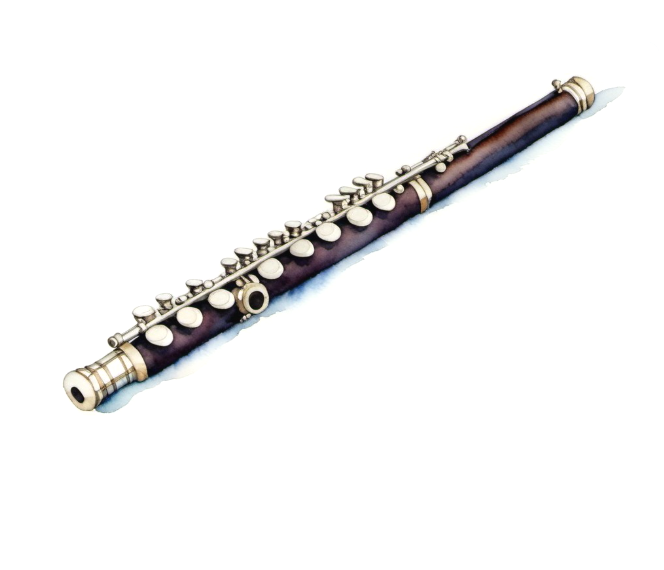
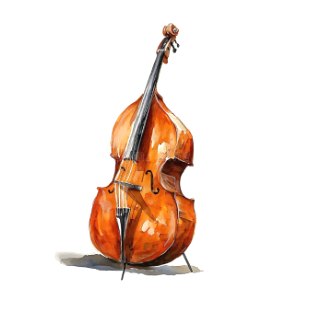
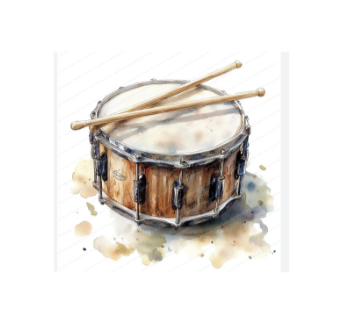
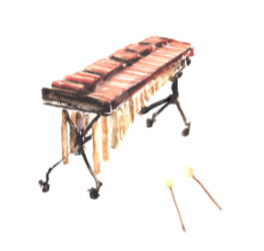
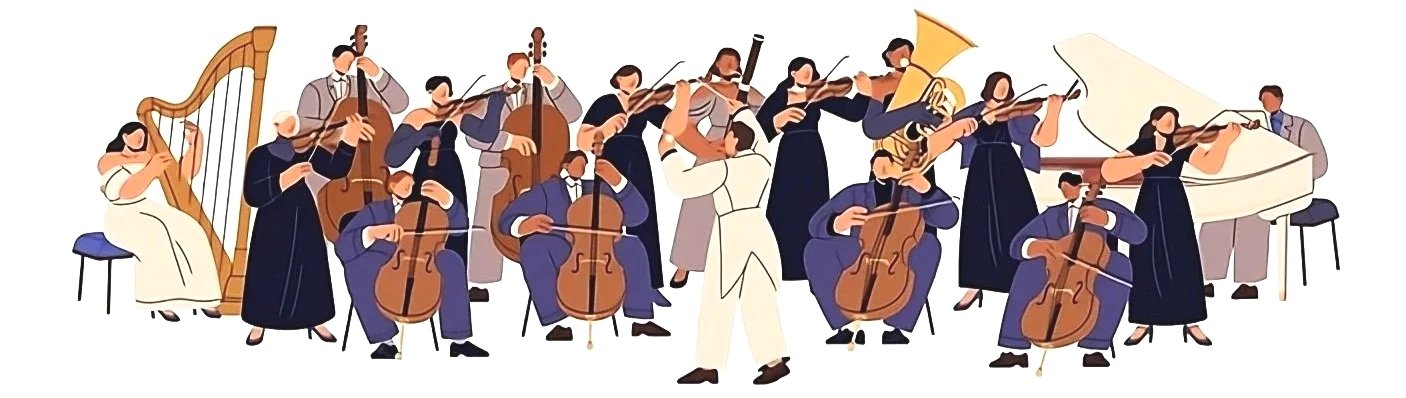
Instruments of the orchestra

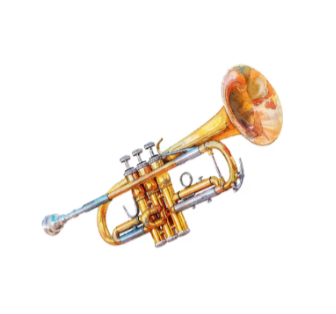

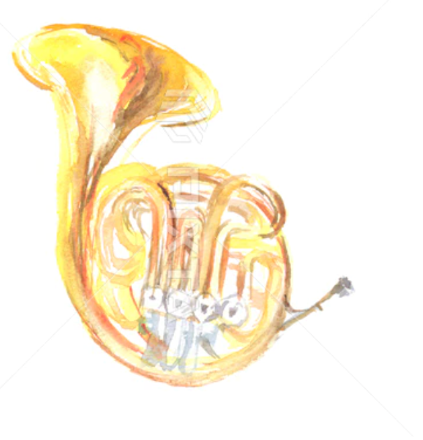
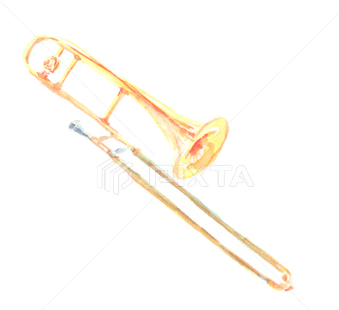
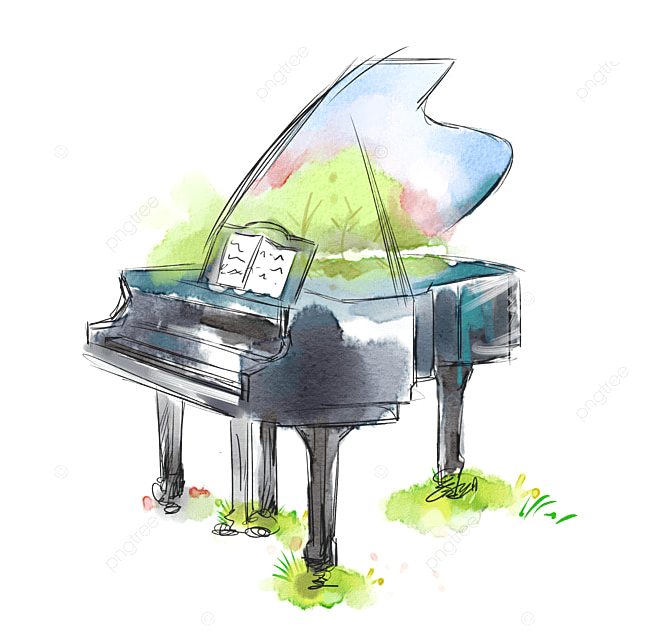
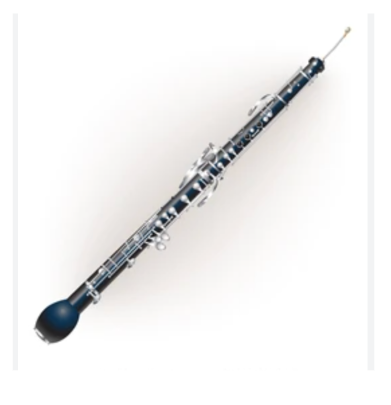
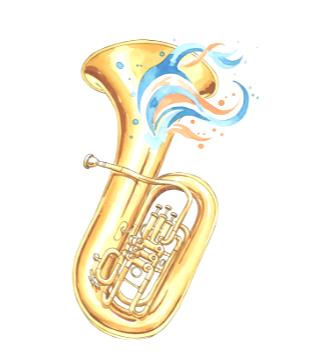

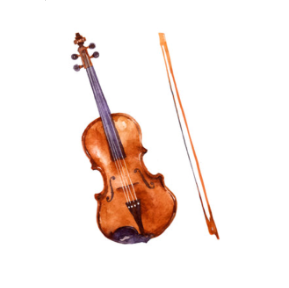
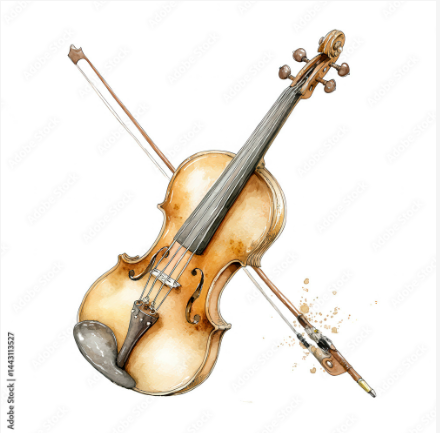
Click on the image to get an introduction to the instrument
Contact Us
If you need anymore information or have any questions, please feel free to reach me via;
Email : kylie.peakot@gmail.com
Phone : 0419 408 906
Address : Suite 3, 226-232 Summer St, Orange, 2800